From aviation student to Peace Corps volunteer to economic peacemaking expert: a journey of 20+ years building economic justice across two continents.
I went to a small Bible college more than 20 years ago as an aviation student and spent part of a summer flying in and out of communities in southern Mexico. Those flights opened my eyes to something crucial: communities' needs are deeply connected to culture and systems I didn't yet understand. So I changed course, earning a master's degree in international community development while working in workforce development during the Great Recession.
I joined the Peace Corps as an economic development specialist and served for three years in the Dominican Republic with my wife, supporting local entrepreneurs, establishing financing options for new businesses, and helping reinforce the cacao industry and labor market. That hands-on experience taught me what actually works in economic development versus what sounds good in theory.
When I returned to the United States, I turned to strategic leadership, building aspirational cross-sector initiatives to address complex challenges. I created training programs for employers that cost nothing because I mobilized local partners who were already there, waiting to be called upon. When I discovered a critical gap in financial literacy, I partnered with a credit union to craft five financial products specifically for my clients. I trained leaders across diverse sectors—early childhood development, youth mental health, domestic violence services, healthcare, church ministry, and philanthropy—to think strategically, develop partnerships, and increase their impact and sustainability.
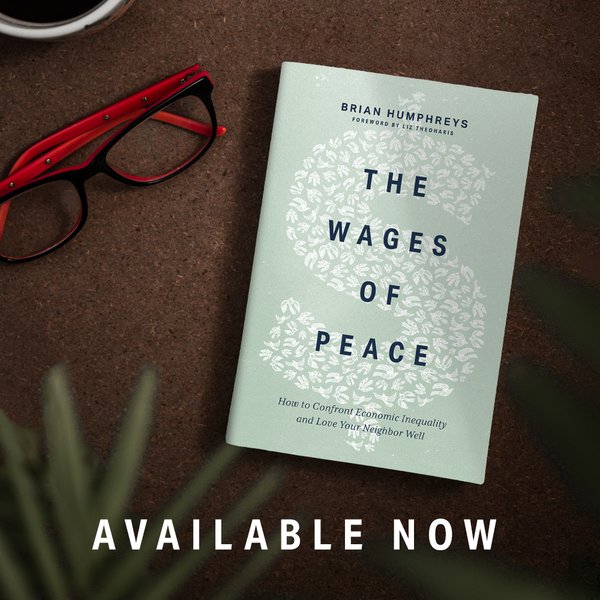
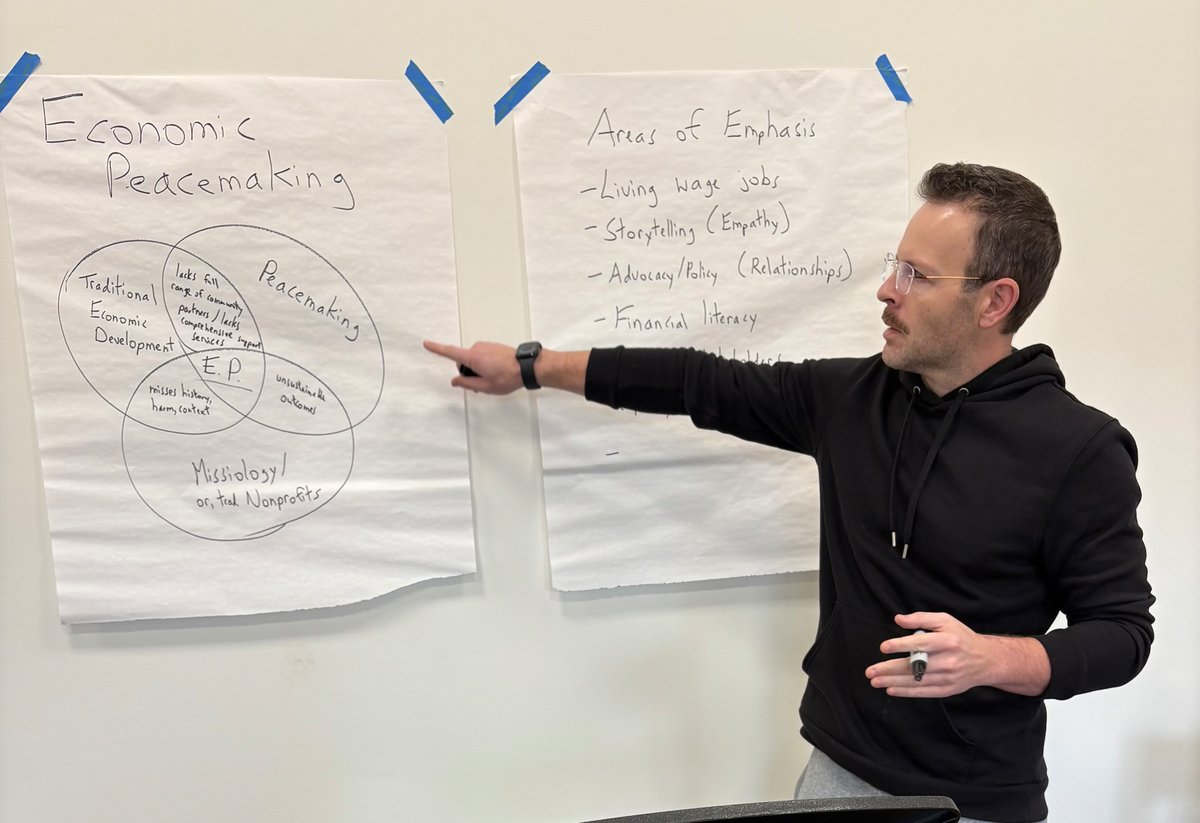
Wanting to continue growing, I earned a Doctor of Ministry in semiotics (the study of signs and symbols related to culture), where I crafted the economic peacemaking framework. I served as Director and Chair of the School of Global Studies at Northwest University, where I built a new MA program in Community Economic Development. I published my book The Wages of Peace with Herald Press and earned my PhD researching servant leadership among nonprofit executives. Along the way, I became AFCPE certified as a financial coach, combining my economic development expertise with practical financial guidance.
As my coaching, training, and speaking opportunities grew, I realized it was time to bring it all together under one roof with a focused mission: equipping individuals and organizations to address economic inequality through practical, relationship-centered strategies. I founded the Center for Economic Peacemaking to provide consulting, training, coaching, and speaking services to nonprofits, churches, and community organizations committed to building more just and thriving communities.
That's what the Center for Economic Peacemaking™ does today.
Three years in the Dominican Republic taught me that effective economic development requires deep relationships, cultural humility, and strategies built with communities rather than for them. This experience shaped everything that followed.
Economic peacemaking emerged over years of domestic and international work in workforce development, community empowerment, and economic development. One pattern became clear: we're all facing variations of the same problem while relying on organizations designed to solve yesterday's challenges.
In nearly every community, wages are low, good jobs are difficult to find, and the cost of living climbs relentlessly. Nonprofits established decades ago to provide food assistance or youth programming are now expected to address extreme wealth inequality. Churches running food drives find themselves responding to family homelessness and rent assistance requests from adults with full-time jobs. Elected officials respond to constituents distracted by AI-driven outrage on social media rather than addressing root causes. As we say in community development: who is going to stop pulling drowning people out of the water long enough to walk upstream and turn off the faucet?
I was trained in traditional peacemaking and community development practices decades ago. Over time, I had to think more about jobs, which led to living wages and financial literacy, then to economics, and ultimately back to community development and peacemaking. A living wage job that is productive and dignified is critical to achieve or sustain any other peacemaking or community effort. Without good jobs, communities face more crime, more hunger, less education, declining mental and physical health, and become unlivable even for wealthier residents.
Too few people do this work with excellence. Academics theorize, elected officials pay lip service, social media creates fictitious villains to blame, and many nonprofits write grants claiming to address these issues while funding legacy programs that don't. Meanwhile, a growing number of practitioners are working to fill this gap. As director and faculty for graduate programs in community economic development and international development, I've trained hundreds of these aspiring economic peacemakers. Some focus on advocacy and policy to expand living wage opportunities. Others work directly in community and economic development, partnering with employers and entrepreneurs to ensure residents are equipped for these opportunities. Still others recommit to existing work with clearer understanding of how they fit into collective peacemaking enhanced by a human-centered economic lens.
These practitioners are empathetic pragmatists: building relationships, making common sense connections between stakeholders, and prepared to persuade others to join the cause or implement high-impact projects when opportunities arise.
For years, I struggled with the reality that while I love teaching graduate students, many people see these same challenges in their communities and want to address them but lack the credentials or resources for graduate school. After realizing my career had become economic peacemaking and publishing a book on the topic, I committed to making this training accessible to aspiring economic peacemakers eager to fight for thriving, peaceful communities.
Welcome to the Center for Economic Peacemaking™. Whether you're a nonprofit seeking strategic guidance, a church leader wanting to address economic justice, or an aspiring practitioner ready to make real impact, you're in the right place.
Today, I bring this experience to organizations and individuals through consulting, certificate training, financial coaching, career assessment, and speaking. Whether you're leading a nonprofit navigating complex challenges, seeking to deepen your community development expertise, or working toward financial stability and meaningful work, I'm here to help you succeed.
Explore Services →Practical frameworks for individuals and organizations committed to economic justice and community transformation.
Economic Peacemaking™ is a registered trademark, protecting this approach and ensuring it serves communities rather than profits.
What readers and reviewers are saying about the book
For those who want to follow Jesus' way of holistic peace, I can't recommend this book highly enough.
Gordon Houser
Anabaptist World
Writing in an engaging, accessible style, Humphreys offers a balanced approach that accepts "some seeming contradictions, some doubts and much counterintuitiveness."
Gordon Houser, Anabaptist World
The heart of economic peacemaking is to "build relationships, listen and pay attention," while the strategies are "common sense, 'aha' projects when you least expect them."
Gordon Houser, Anabaptist World
Available now from Herald Press and major book retailers